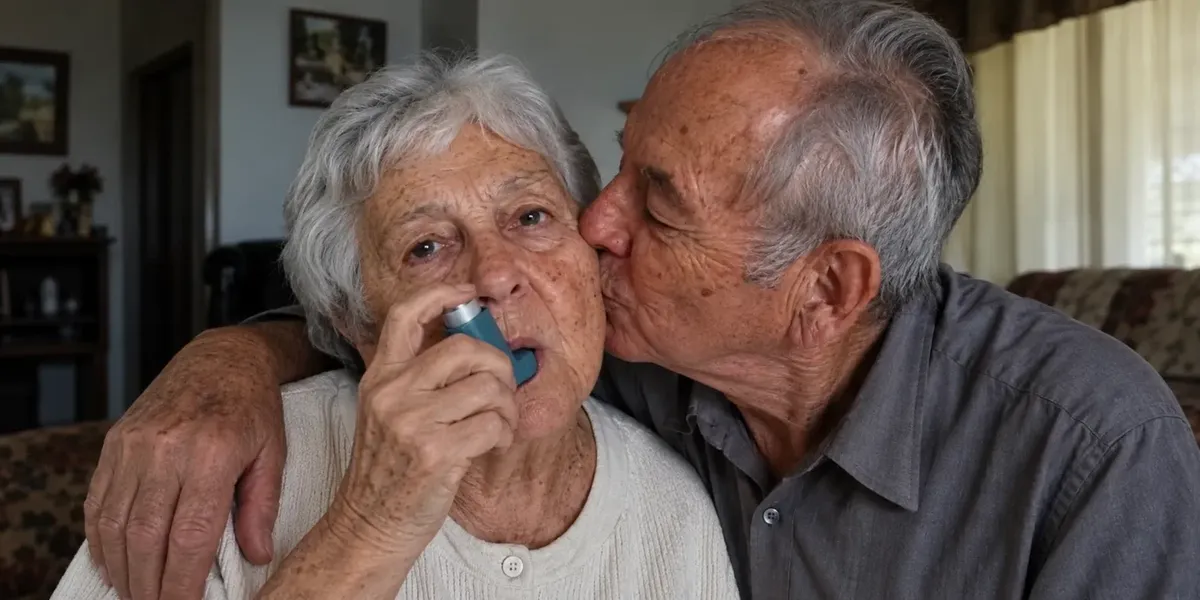
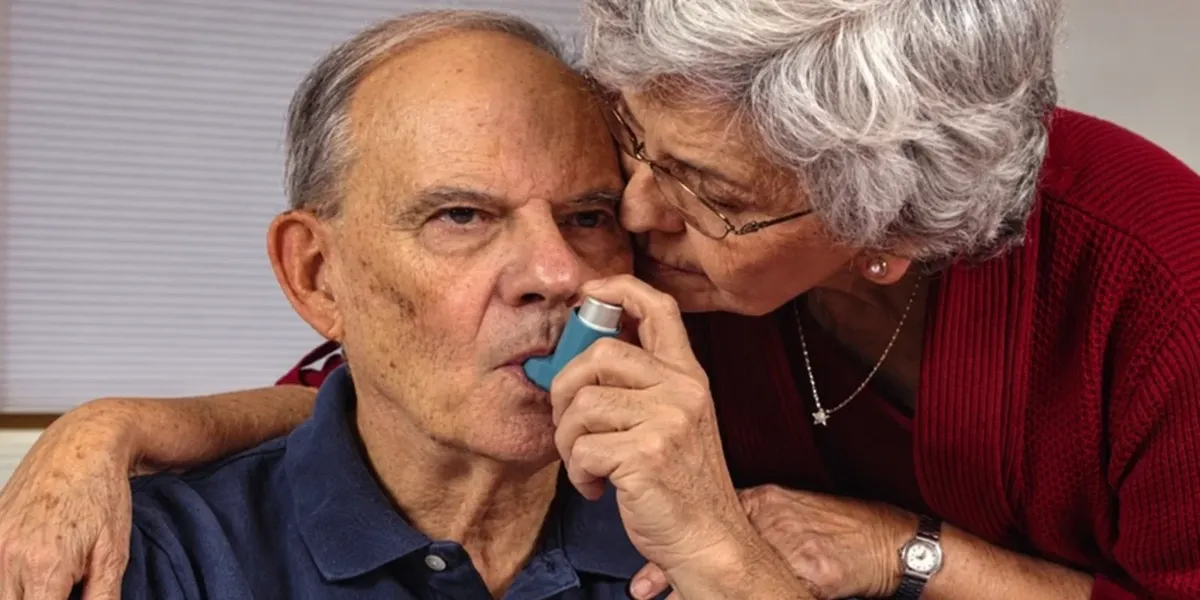
Researchers Discuss How Everyday Breathing Habits and Respiratory Support May Help Adults Feel More Comfortable With Every Breath
Topic: Respiratory wellness
For: Adults 18+
Reading time: 12–15 minutes
Last reviewed: October 2026
Important: This page is advertising and educational content, not medical advice. BreathiZen is a dietary supplement, not a medicine. The product discussed here has not been evaluated by the FDA for safety or effectiveness and is not intended to diagnose, treat, cure, or prevent any disease. Never use a supplement as a substitute for prescribed inhalers, oxygen, antibiotics or medical care, and seek urgent help for severe or sudden breathing difficulty. This page contains affiliate links. See the full disclosures below.
Recent discussions among wellness and respiratory researchers are exploring how breathing patterns, air quality, posture, physical conditioning and daily habits may influence how comfortable breathing feels as we get older. This article reviews general information about natural respiratory wellness support and why many adults are paying closer attention to their lungs.
In this guide you’ll learn:
- Why breathing comfort can be influenced by fitness, posture, stress, sleep and air quality
- How pursed-lip and belly breathing are practiced in pulmonary rehabilitation
- Which natural ingredients have plausible respiratory relevance — and which claims go too far
- A simple 8-week routine for tracking habits without promising a cure
- Where BreathiZen may fit, and why the official label matters
Many adults notice that breathing feels different over the years. Climbing stairs, carrying groceries or walking uphill can leave them winded sooner than expected, and these changes often happen so gradually that they go unnoticed for a long time. Staying informed and speaking with a qualified healthcare professional are important parts of responsible respiratory care.
Some people notice occasional changes such as a lingering cough, a feeling of tightness, shallow breathing during stressful days, or slower recovery after activity, while others notice nothing at all. These signs can have many causes, so they should always be discussed with a healthcare professional.
Breathing comfort can be influenced by many factors, including age, activity level, posture, smoke, dust, pollen, indoor air, sleep and stress. Researchers also continue to study how the airways protect and clean themselves. One important area of research is a natural process known as mucociliary clearance — a term used to describe how a thin layer of mucus and millions of tiny hair-like structures (cilia) work together to move dust and particles up and out of the airways.
When this everyday cleaning system is under strain, breathing may simply feel like more work. This is one reason many people focus on clean air, regular movement, good sleep, hydration and regular medical checkups.
Medication and professional care are essential for many people. At the same time, adults often look for additional lifestyle and nutrition strategies that may complement healthy routines. Any changes to medication or treatment should always be made with a qualified healthcare professional.
Some natural wellness routines focus on botanicals and nutrients traditionally associated with throat comfort, antioxidant support and respiratory wellness. These approaches are not a substitute for medical care, but they may be part of a broader healthy lifestyle for some adults.
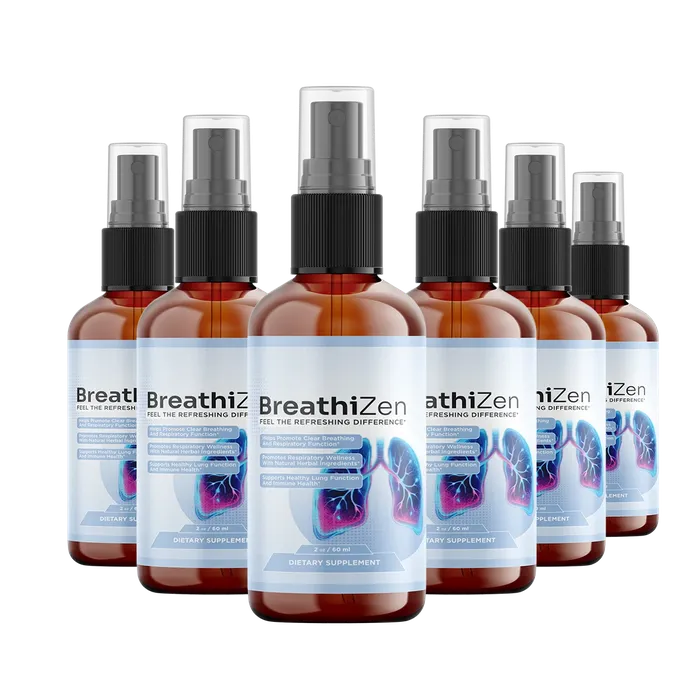
One option discussed on the official page is a formula called BreathiZen — a dietary supplement in spray form designed to support respiratory wellness as part of a daily routine. Individual results vary, and anyone with a respiratory condition should consult a healthcare professional before using any supplement.
Scientific honesty matters: laboratory findings, animal studies, traditional use and human clinical trials are not interchangeable. An ingredient may be biologically interesting without proving that a specific product improves asthma, COPD, oxygen levels, lung capacity or any disease outcome.
Important FDA & Medical Disclosure
BreathiZen is a dietary supplement. Statements about BreathiZen have not been evaluated by the Food and Drug Administration. This product is not intended to diagnose, treat, cure, or prevent any disease, including asthma, COPD, bronchitis or any other respiratory condition.
This page is advertising/educational content and is not medical advice. If you have a respiratory condition, use an inhaler or oxygen, take prescription medication, are pregnant or nursing, or have any medical condition, consult a licensed healthcare professional before using any supplement or changing your diet, medication or treatment plan.
Research cited on this page relates to general respiratory wellness topics and individual nutrients or botanicals. It does not prove that BreathiZen treats, prevents or improves any lung disease. Individual results vary.
If you or a loved one wants to breathe more comfortably day to day, the official page explains the formula and the general wellness approach in more detail.
1) What people mean by “better breathing”
People use the phrase “better breathing” to describe different experiences. It may mean feeling more comfortable during activity, recovering more easily after exertion, reducing the sense of breath-holding during stress, or learning a more efficient breathing pattern. It does not automatically mean that lung disease is present — or absent.
- Breathing comfort: feeling less tense while breathing at rest
- Activity tolerance: recovering more steadily after walking or stairs
- Airway awareness: noticing triggers such as smoke, dust, pollen, cold air or exertion
- Breathing control: using a slower exhale instead of rapid, shallow breaths
- Sleep and recovery: protecting the conditions that support energy and normal body function
A simple analogy
Think of respiratory wellness as a system, not a single switch. The lungs, airways, breathing muscles, heart, nervous system, fitness level and environment all contribute. No supplement can replace clean air, appropriate medical treatment or progressive movement.
2) The evidence-based foundation for lung health
The American Lung Association highlights several practical ways to protect lung health: do not smoke, reduce exposure to secondhand smoke and pollutants, pay attention to indoor air quality, exercise appropriately and keep regular check-ups. These fundamentals matter more than any “secret” ingredient.
Protect the air you breathe
Avoid smoke, improve ventilation, address mold and check outdoor air quality on poor-air days.
Keep the body moving
Regular activity can support conditioning and the ability to perform daily tasks, when appropriate for your health.
Practice breathing skills
Slow nasal inhalation and a longer, relaxed exhalation can help some people control breathing discomfort.
Do not ignore symptoms
Persistent cough, wheeze, chest pain, blood, fever or breathlessness deserves professional assessment.
3) Two breathing exercises used in respiratory care
Pursed-lip breathing
Sit comfortably, relax your shoulders, inhale gently through your nose, then exhale slowly through lightly pursed lips for about twice as long as the inhale. The American Lung Association describes this as a technique that can help slow breathing and keep airways open longer, particularly for people with conditions such as COPD or asthma. A small randomized crossover study in people with COPD also reported better exercise tolerance when pursed-lip breathing was used during activity.
Diaphragmatic, or belly, breathing
Place a hand on your abdomen. Inhale gently through your nose while allowing the abdomen to rise, then exhale slowly through pursed lips. Practice for 5–10 minutes when breathing is comfortable, rather than waiting for a difficult moment. A Cochrane review of breathing exercises in COPD found they may improve exercise capacity for some people, while effects on breathlessness were inconsistent.
Do not force deep breaths. Stop if you become dizzy, develop chest pain, blue lips, confusion or worsening shortness of breath. Breathing exercises are skills, not emergency treatment.
Want to review BreathiZen?
Use the official page to review the current label, directions, availability and bundle options.
Always read the Supplement Facts panel. Availability and pricing are controlled by the seller.
Ingredients Often Discussed in Respiratory Wellness
Below is a plain-language overview of foods, botanicals and nutrients often discussed in relation to breathing comfort and respiratory wellness. This is general education — it is not the BreathiZen label. Check the official Supplement Facts panel for the exact formula.
Ginger
Ginger contains compounds such as gingerols and shogaols. A preclinical study found that ginger extract and 6-shogaol reduced allergic airway inflammation in mice. That is interesting, but it is not proof of benefit in people and does not replace an inhaler.
Gingerols
Preclinical
Thyme
Thyme contains aromatic compounds including thymol and carvacrol and has a long traditional use for cough. In one placebo-controlled trial, a thyme-and-ivy fluid extract was linked to a faster reduction in coughing fits in adults with acute bronchitis. Results depend on the preparation, and thyme oil should never be swallowed casually.
Thymol
Cough Comfort
Honey
Honey is a food traditionally used to soothe the throat. A 2021 meta-analysis found honey improved symptom relief in upper respiratory tract infections compared with usual care, especially cough frequency and severity. It does not open narrowed airways. Never give honey to infants under 12 months.
Throat Soothing
Polyphenols
Eucalyptus (1,8-Cineole)
Cineole is the main compound in eucalyptus oil. In a double-blind trial, adults with COPD who added cineole capsules to their usual treatment had fewer flare-ups than those on placebo. That was a specific capsule under study conditions — essential oil is not something to swallow.
Cineole
Airway Comfort
Turmeric
Turmeric’s curcumin is studied for antioxidant and inflammatory pathways. Much of the respiratory discussion remains mechanistic or preclinical. Concentrated extracts may interact with blood thinners and other medicines and may not suit everyone.
Curcumin
Antioxidant
Quercetin
Quercetin is a flavonoid found in onions, apples and capers. A randomized clinical trial in people with COPD found short-term quercetin supplementation was well tolerated. It was a safety study — it does not show that quercetin improves lung function.
Flavonoid
Onions & Apples
N-Acetylcysteine (NAC)
NAC is a precursor to glutathione and has been studied in mucus-related conditions. In the large PANTHEON trial, NAC 600 mg twice daily was associated with fewer COPD flare-ups over one year. It is not a food ingredient, and anyone considering it should ask a clinician or pharmacist first.
Glutathione
Mucus Support
Vitamin C
Vitamin C is found in citrus, peppers and kiwi. A Cochrane review found regular vitamin C did not prevent colds in the general population, but was linked to a modestly shorter duration of colds. A varied diet usually covers daily needs.
Citrus
Immune Support
Ingredient rule: the presence of a natural ingredient in a formula does not prove that the finished product has been tested for respiratory outcomes. Check the exact dose, extract form, allergens, manufacturing information and third-party quality testing when available.
4) What BreathiZen is — and what it is not
BreathiZen is presented as a respiratory wellness supplement in spray form (2 oz / 60 ml bottle) for adults who want to add a nutritional support tool to a broader healthy-living routine. Because the official Supplement Facts panel can change, this page does not attribute unverified ingredients to the product. Review the current label at the official source before purchase.
- May fit: a personal wellness routine built around movement, air-quality awareness, sleep, hydration and professional care when needed
- Cannot promise: to cure asthma, COPD, bronchitis, infection, allergies, low oxygen, emphysema or any other condition
- Does not replace: a prescribed rescue inhaler, controller medication, oxygen, antibiotics, testing or a clinician’s advice
Check the current BreathiZen formula
Ingredient details, directions, pricing and bundles should be confirmed on the official page before ordering.
5) An honest 8-week respiratory wellness routine
Weeks 1–2: observe
- Record when breathing feels comfortable or difficult, without self-diagnosing.
- Note smoke, dust, pollen, cold air, intense exertion, sleep and stress as possible triggers.
- Practice pursed-lip breathing for 5 minutes while comfortable.
Weeks 3–4: protect
- Avoid smoking and secondhand smoke; improve indoor ventilation where possible.
- Check local air-quality alerts and move exercise indoors on poor-air days.
- Use gentle, progressive activity appropriate to your current fitness and medical advice.
Weeks 5–6: strengthen the routine
- Keep a consistent sleep schedule and hydration habits.
- Include colorful foods, adequate protein and culinary herbs such as ginger or thyme if tolerated.
- If adding BreathiZen, follow only the official label and do not exceed its directions.
Weeks 7–8: review
- Look for consistency and patterns, not dramatic promises or one-day changes.
- Discuss persistent symptoms with a qualified healthcare professional.
- Stop a supplement and seek advice if you develop an adverse reaction.
6) Quick Q&A
Can BreathiZen treat asthma or COPD?
No. A supplement cannot be represented as treating, curing or preventing asthma, COPD or any other disease. Follow the treatment plan provided by your clinician.
Can natural ingredients replace an inhaler?
No. If you have a prescribed inhaler, use it as directed. Do not delay urgent care while trying tea, herbs or supplements.
Is ginger proven to improve human lung function?
The ginger study cited here was conducted in mice and cell models. It is preliminary evidence, not proof that ginger or BreathiZen improves human lung function.
Is eucalyptus or thyme oil safe to swallow?
Concentrated essential oils can be irritating or toxic when misused. Do not swallow essential oils unless specifically directed by a qualified professional using a suitable product.
Who should ask a clinician before using a supplement?
Anyone who is pregnant or nursing, under 18, has asthma or COPD, has liver or kidney disease, has allergies, is preparing for surgery, or takes prescription or over-the-counter medicine.
When is shortness of breath an emergency?
Seek urgent medical help for severe or sudden breathlessness, chest pain, fainting, confusion, blue or gray lips, coughing blood, or symptoms that do not improve. Do not rely on this page for emergency decisions.
7) Bottom line
There is no credible shortcut that “detoxes” or rebuilds lungs overnight. The strongest respiratory-wellness strategy is cumulative: avoid smoke, reduce pollutants, move safely, practice useful breathing skills, sleep well, eat a varied diet and get a medical evaluation when symptoms persist.
BreathiZen may be considered an optional supplement tool, but the official label and your personal medical context matter more than any marketing claim. Use a calm, consistent routine — and keep medical care at the center when it is needed.
Research & Regulatory References
The references below are provided so readers can review the broader scientific context for breathing habits, individual ingredients and supplement regulation. They are not product-specific clinical proof for BreathiZen.
- American Lung Association. Breathing Exercises.
- American Lung Association. Protecting Your Lungs.
- Holland AE, et al. Breathing exercises for chronic obstructive pulmonary disease. Cochrane Database of Systematic Reviews. 2012. PubMed: 23076942
- Cabral LF, et al. Pursed lip breathing improves exercise tolerance in COPD: a randomized crossover study. European Journal of Physical and Rehabilitation Medicine. 2015. PubMed: 24691248
- Yocum GT, et al. Ginger and its bioactive component 6-shogaol mitigate lung inflammation in a murine asthma model. American Journal of Physiology – Lung Cellular and Molecular Physiology. 2020. PubMed: 31800263 (preclinical research in mice and cells)
- Waheed M, et al. Phytochemical profiling and therapeutic potential of thyme (Thymus spp.): a medicinal herb. Food Science & Nutrition. 2024. PubMed: 39723027
- Kemmerich B, et al. Efficacy and tolerability of a fluid extract combination of thyme herb and ivy leaves and matched placebo in adults suffering from acute bronchitis with productive cough. Arzneimittelforschung. 2006. PubMed: 17063641
- Abuelgasim H, et al. Effectiveness of honey for symptomatic relief in upper respiratory tract infections: a systematic review and meta-analysis. BMJ Evidence-Based Medicine. 2021. PubMed: 32817011
- Worth H, et al. Concomitant therapy with cineole (eucalyptole) reduces exacerbations in COPD: a placebo-controlled double-blind trial. Respiratory Research. 2009. PubMed: 19624838
- Han MK, et al. Randomised clinical trial to determine the safety of quercetin supplementation in patients with chronic obstructive pulmonary disease. BMJ Open Respiratory Research. 2020. PubMed: 32071149
- Zheng JP, et al. Twice daily N-acetylcysteine 600 mg for exacerbations of chronic obstructive pulmonary disease (PANTHEON): a randomised, double-blind placebo-controlled trial. The Lancet Respiratory Medicine. 2014. PubMed: 24621680
- Hemilä H, Chalker E. Vitamin C for preventing and treating the common cold. Cochrane Database of Systematic Reviews. 2013. PubMed: 23440782
- U.S. Food & Drug Administration. Dietary supplement labeling and structure/function claim guidance, including the required DSHEA disclaimer.
Important Disclosures & Disclaimers
Please read the following important information before making any purchasing decision.
Supplement & Regulatory Status
† BreathiZen has NOT been evaluated or approved by the Food and Drug Administration (FDA). The FDA has not reviewed this product for safety or effectiveness. These statements have not been evaluated by the Food and Drug Administration. This product is a dietary supplement and is not intended to diagnose, treat, cure, or prevent any disease.
BreathiZen is a dietary supplement, not a medication. The FDA has not approved this product to treat, prevent or manage asthma, COPD, bronchitis or any other medical condition. Dietary supplements are regulated under the Dietary Supplement Health and Education Act (DSHEA) and are not subject to the same pre-market approval process as prescription drugs.
Ingredients
The ingredients described in the “Ingredients Often Discussed” section are general education about foods, botanicals and nutrients. They are not a statement of the BreathiZen formula. For the complete, up-to-date Supplement Facts panel, please refer to the official product page and packaging.
Allergies & Interactions
Do not use any supplement if you are allergic to any of its listed ingredients. Botanical extracts and nutrients such as turmeric, quercetin or NAC may interact with prescription medicines, including blood thinners. If you take any medication — especially for asthma, COPD, heart conditions or blood clotting — speak with your physician or pharmacist before use. Never stop or adjust a prescribed inhaler or medication on your own.
Scientific Research
The peer-reviewed studies listed in the references examined breathing techniques and individual ingredients — not BreathiZen. Several are preclinical (animal or cell studies) or safety studies, and the clinical results are specific to the preparations, doses and populations tested. They do not establish that this product, or any single ingredient, treats, controls or cures any respiratory condition.
Health Disclaimer
The content on this page is provided for general educational and informational purposes only and is not medical advice. It is not a substitute for professional diagnosis, treatment or advice from a qualified healthcare provider. Never disregard or delay seeking professional medical advice because of something you have read here. If you are pregnant, nursing, have a medical condition or take any medication, consult your physician before using any dietary supplement.
Age Restriction
This product and the information on this page are intended for adults 18 years of age or older. It is not intended for use by children, pregnant women or nursing mothers.
Results & Risk Disclaimer
Individual results may vary and are not guaranteed. Use of any dietary supplement carries potential risks, including possible allergic reactions or interactions with medications; discontinue use and consult a healthcare professional if you experience any adverse effects.
Affiliate Disclosure
This page contains affiliate links. If you choose to make a purchase through a link on this page, we may receive a commission at no additional cost to you. Product information, pricing, availability and the exact formula belong to the official seller and should be verified there.